.svg)
Hajj Badal, the act of performing Hajj on behalf of someone else, often raises many questions. This FAQ aims to address some of the most common inquiries regarding Badal Hajj, also known as Hajje Badal, Proxy Hajj, Hajj e Badal, or Hajj al Badal, to provide clarity based on established Hajj Badal Guidelines.
The primary purpose is to fulfill the obligation of Hajj for a Muslim who is genuinely unable to perform it themselves due to permanent reasons such as chronic illness (making them Hajj al badal of an ill or disabled), debilitating old age, or for someone who has passed away having had the means but not the opportunity.
Eligibility generally includes:
The deceased who were obligated to perform Hajj.
The chronically ill or permanently disabled with no hope of recovery.
The very elderly and frail who cannot endure the journey.
Financial incapacity alone, if one is physically able, is not a reason for Hajj Badal as Hajj is not obligatory on them.
A proxy must be a sane, adult Muslim, knowledgeable about Hajj rituals, and trustworthy. It is highly preferable, and considered a condition by many scholars, that the proxy has already performed their own obligatory Hajj.
The primary intention and reward for the Hajj itself are for the beneficiary on whose behalf it is performed. The proxy receives a reward for their effort, piety, facilitating a good deed, and their own acts of worship during the journey (e.g., prayers, dhikr).
Yes, if the living person is permanently unable to perform Hajj due to reasons like chronic illness or extreme old age (e.g., Hajj al badal of an ill or disabled). It cannot be done for someone who is healthy and capable but simply wishes to delegate.
Yes, it is permissible to provide a Hadiyah (gift/stipend) to the proxy to cover their travel, accommodation, food, sacrifice, and a modest compensation for their time and effort. This should not be seen as a "wage" for the act of worship itself. Reputable Hajj Services offering Hajj by proxy will be transparent about costs.
Choose a reputable individual or organization known for their piety and adherence to Islamic teachings. Ask about their process, the qualifications of their proxies, and what confirmation of performance they provide. Seeking recommendations is advisable.
One obligatory Hajj Badal fulfills the requirement for a deceased person. However, performing additional voluntary (Nafl) Hajj e Badal for them is permissible and considered an act of virtue, with the hope of further reward for the deceased.
It is still highly recommended and an act of filial piety for children or relatives to arrange Badal Hajj for a deceased person upon whom Hajj was obligatory, even if no will was made.
Similar principles apply. Umrah Badal (also known as Umrah Al Badal or Proxy Umrah) can be performed for someone who is unable to perform Umrah themselves due to permanent reasons. The proxy performs the Umrah rituals with the intention for the beneficiary.
No, this is not a requirement. A male can perform Hajj Badal for a female, and vice-versa.
Hajj Tamattu (performing Umrah first, then Hajj) is commonly performed for Hajj with proxy because it combines both pilgrimages, but the specific type should be clarified with the service provider.
These FAQs provide general guidance. For specific personal situations or detailed Fiqh rulings related to this important Islamic Pilgrimage by proxy, it is always best to consult with a knowledgeable Islamic scholar.
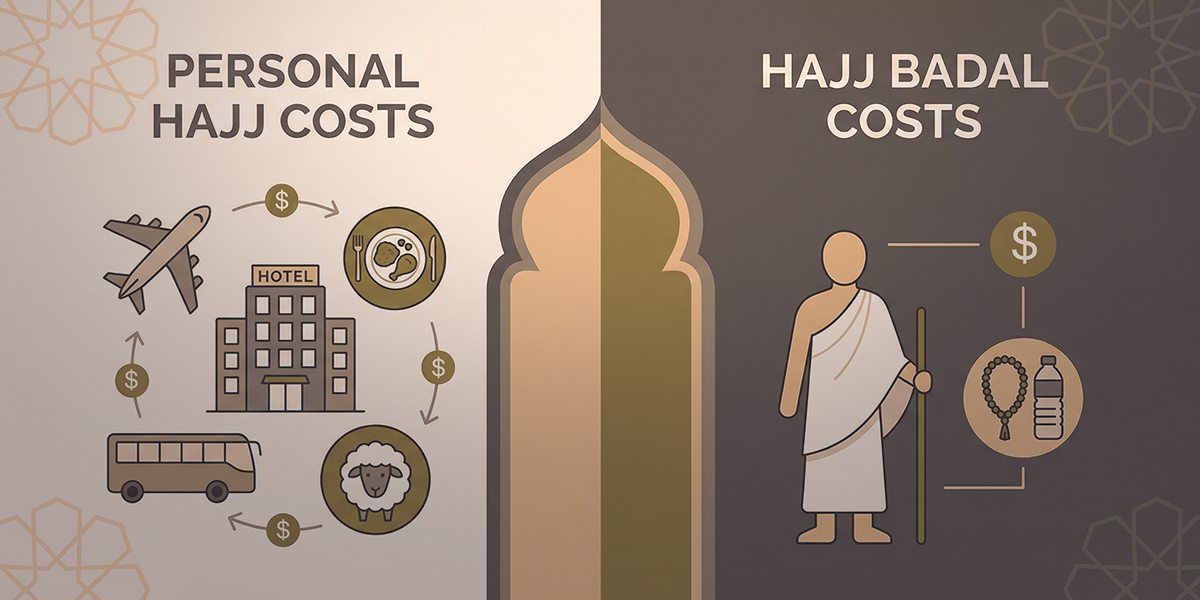
The Islamic Pilgrimage of Hajj to Mecca is a journey of immense spiritual significance, yet it also involves considerable financial planning. For those able to go, the costs of performing Hajj personally can be substantial. Alternatively, for individuals who are legitimately unable, the option of Hajj Badal (also known as Badal Hajj, Proxy Hajj, Hajj e Badal, or Hajj al Badal) presents a different set of financial considerations. This article compares the typical costs involved in performing Hajj personally versus arranging for Hajj by proxy.
Performing Hajj personally involves several categories of expenses, which can vary widely based on the pilgrim's country of origin, the type of package chosen (e.g., luxury, standard, economy), duration of stay, and personal spending habits. Key cost components include:
Hajj Package: This is usually the largest expense. Hajj Services providers and travel agencies offer packages that typically cover:
Additional Expenses:
The total cost for a personal Hajj can range from a few thousand to tens of thousands of US dollars.
Arranging Hajj Badal involves different financial dynamics. The cost typically covers:
Hadiyah (Gift/Stipend) for the Proxy: This is the fee paid to the individual or organization that arranges the performance of the Hajj e Badal. This amount is intended to cover:
Administrative Fees: If using an organization providing Hajj Services, there might be fees to cover their operational and coordination costs.
The cost of Hajj Badal is generally significantly lower than performing Hajj personally. This is often because the proxy is someone already residing in Saudi Arabia or someone utilizing a standardized package focused on the essential rituals rather than luxury travel.
Direct vs. Indirect Cost: Personal Hajj involves direct expenditure by the pilgrim, while Hajj Badal involves paying a service provider or proxy to act on their behalf.
Package Customization: Personal Hajj allows for more customization of luxury levels. Hajj Badal packages are usually more standardized to focus on the completion of the religious duty.
Scope of Service: Reputable Hajj Badal Services focus on ensuring the correct and complete performance of the Hajj rituals for the beneficiary.
Whether performing Hajj personally or arranging for Proxy Hajj (or Proxy Umrah), clear financial understanding and sourcing funds from Halal means are essential. The ultimate value lies in the sincere intention and the spiritual fulfillment of the duty.

In the context of Hajj Badal (also known as Badal Hajj, Hajje Badal, or Proxy Hajj), the Wakil—meaning agent, representative, or proxy—is the individual entrusted with the profound responsibility of performing the entire Hajj pilgrimage on behalf of another person who is unable to do so. The role of the Wakil is not merely that of a traveler or a performer of rituals; it is a sacred trust (Amanah) that demands piety, knowledge, diligence, and a deep sense of accountability before Allah.
The essence of the Wakil's role is that of an Amin, a trustee. They are entrusted with:
The relationship between the Aamir (commissioner) and the Wakil (proxy agent) in Hajj Badal or Badal Umrah is built on trust. The Aamir places their hope for the fulfillment of a major religious duty in the hands of the Wakil. Therefore, the Wakil's role is imbued with immense spiritual significance. A Wakil who fulfills this trust with excellence can expect a great reward from Allah for facilitating such a noble act of worship.
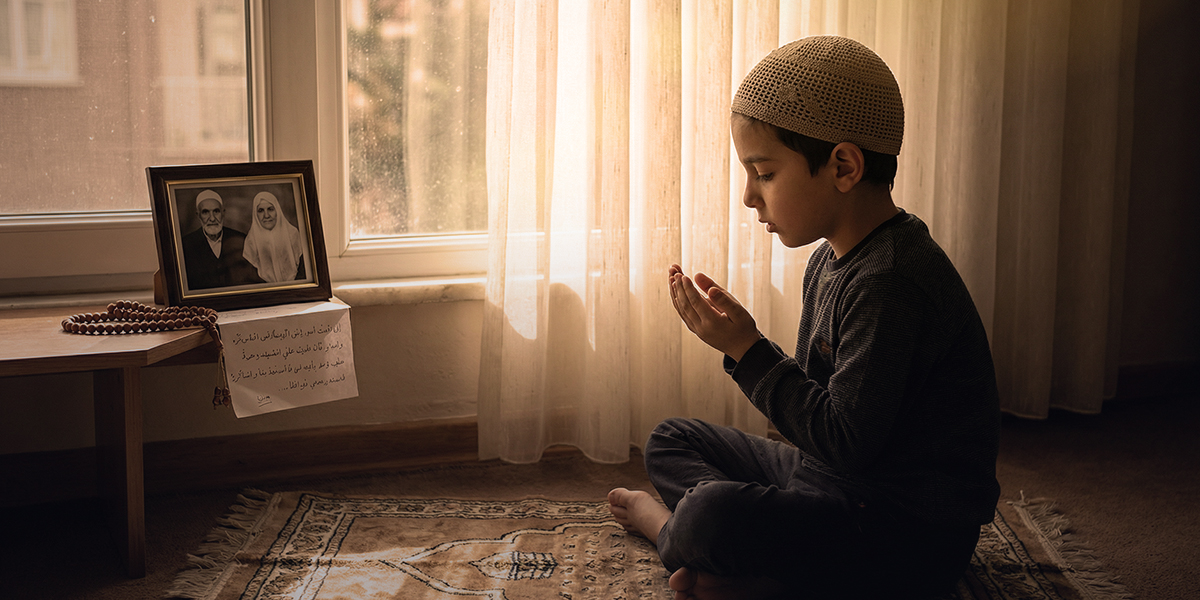
One of the most poignant and virtuous applications of Hajj Badal (also known as Badal Hajj, Hajje Badal, or Proxy Hajj) is its performance on behalf of deceased parents. For children whose parents passed away without having fulfilled their obligatory Hajj (despite having the means) or who wished to perform Hajj but were prevented by death, arranging Proxy Hajj for them is a profound act of filial piety (Birr al-Walidayn), fulfilling a significant religious duty, and a means of reaping immense spiritual rewards for both the deceased parents and the children.
The permissibility of performing Hajj Badal for the deceased is well-established through authentic Hadith. The Prophet Muhammad (peace be upon him) was approached by individuals asking if they could perform Hajj on behalf of their deceased mother or father who had either made a vow to perform Hajj or upon whom Hajj was an unfulfilled obligation. The Prophet (peace be upon him) consistently affirmed that they could and should do so, likening the unfulfilled Hajj to an outstanding debt to Allah, which is even more deserving of being paid.
The same principles apply to arranging Badal Umrah or Proxy Umrah for deceased parents, which is also a virtuous act. While Umrah may not have the same level of obligation as Hajj for all, its performance brings great blessings.
In conclusion, arranging Hajj Badal for deceased parents is a beautiful expression of Islamic teachings on family responsibility, mercy, and the enduring connection between children and their parents. It is a means of fulfilling a vital aspect of their faith – be it Hajj or Umrah – and a pathway to immense spiritual rewards in this life and the Hereafter.
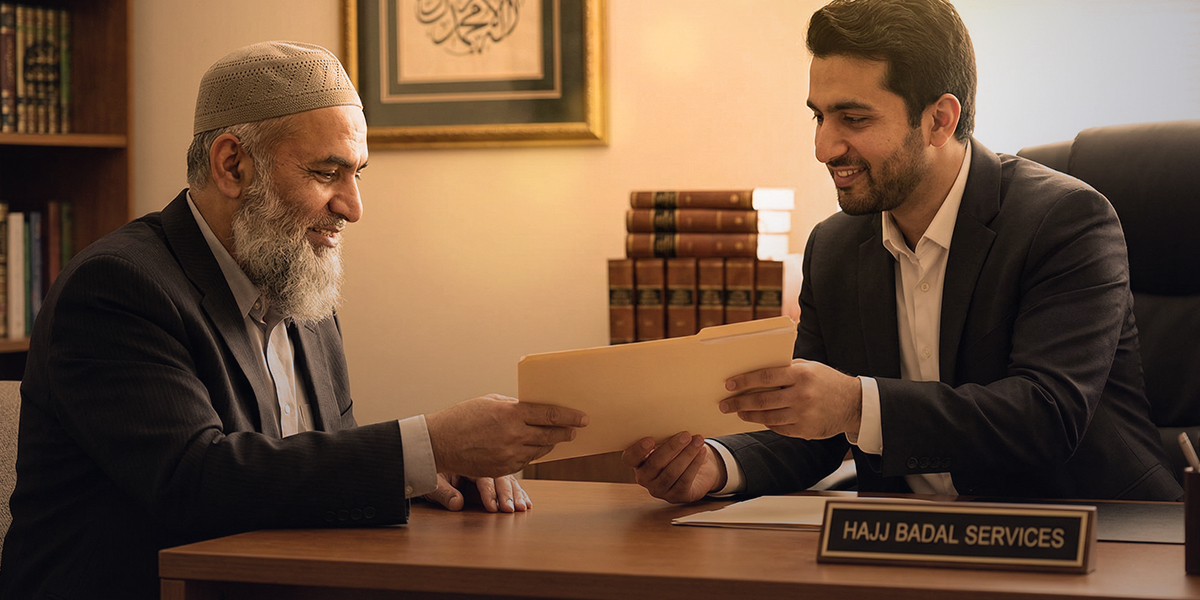
Arranging Hajj Badal, also known as Badal Hajj, Hajje Badal, or Proxy Hajj, is a significant act of faith and responsibility, especially when done for a loved one who is deceased or permanently unable to perform the Hajj themselves. Entrusting this sacred duty to another person or an organization requires careful consideration and due diligence to ensure it is performed correctly and sincerely. Choosing a reliable service is paramount. Here are key questions to ask and factors to consider:
When looking for services for Badal Umrah or Proxy Umrah, similar questions regarding the proxy's qualifications, the process, cost, and proof are relevant, though the scale and duration are less than for Hajj.
Ultimately, seeking recommendations from trusted community members, local Imams, or reputable Islamic centers can be very helpful. Making sincere Dua to Allah to guide you to a reliable service is also crucial. The goal is to find a service that approaches this profound act of Hajj or Umrah by proxy with the sincerity, knowledge, and diligence it deserves.
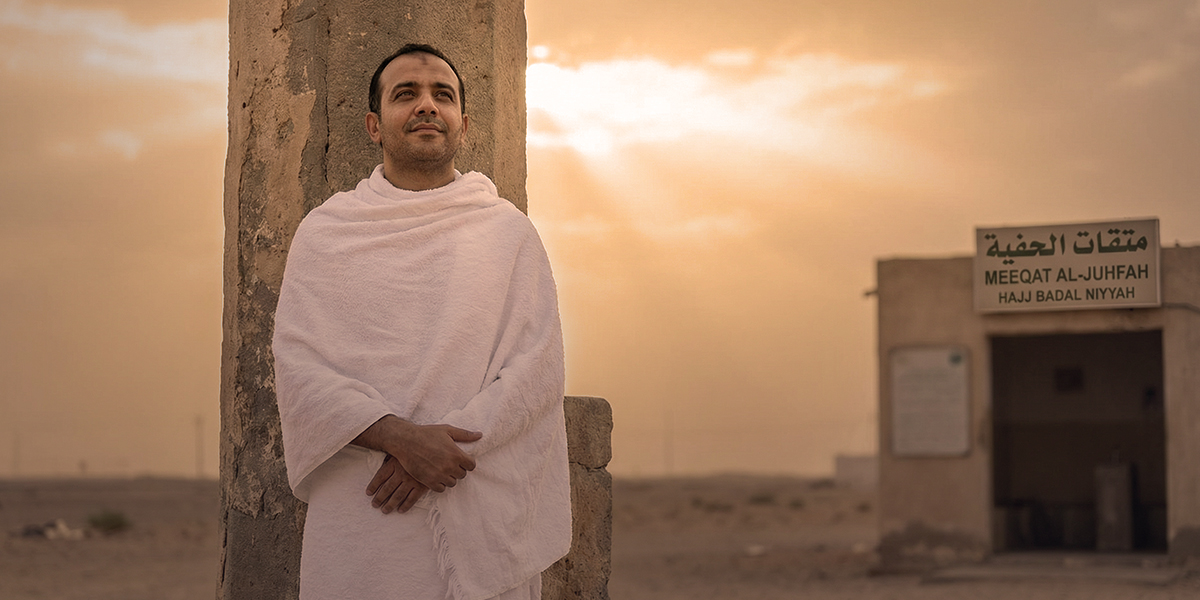
In all acts of Islamic worship, the Niyyah (intention) is paramount. It is the spiritual compass that determines the validity, direction, and ultimate acceptance of any deed. This principle holds particularly profound significance in the context of Hajj Badal (also known as Badal Hajj, Hajje Badal, or Proxy Hajj), where one individual performs the Hajj rituals on behalf of another. A correct and sincere Niyyah is the absolute cornerstone upon which the entire edifice of Proxy Hajj rests.
Niyyah is the internal resolve and specific intention in the heart to perform an act of worship for the sake of Allah. While uttering the intention verbally can be helpful for focus, the core of Niyyah resides in the heart. Prophet Muhammad (peace be upon him) famously stated, "Verily, actions are judged by intentions, and for every person is what he intended." (Sahih al-Bukhari 1, Sahih Muslim 1907).
When the proxy assumes Ihram at the designated Miqat, their Niyyah must explicitly be to perform Hajj (or Umrah, in the case of Badal Umrah / Proxy Umrah) on behalf of the specific person for whom they are acting as a representative.
The Niyyah for Hajj Badal must be made at the Miqat before or while entering the state of Ihram. It cannot be made retrospectively after starting the rituals.
The proxy's intention must be purely for the sake of Allah, seeking His pleasure and the fulfillment of the religious duty for the beneficiary. Any ulterior motives, such as solely financial gain (beyond legitimate expenses) or showmanship, can corrupt the intention and diminish the spiritual value of the act.
The intention to perform the Hajj on behalf of the beneficiary should ideally remain present in the proxy's mind throughout the performance of the key rituals.
The person commissioning the Badal Hajj (the Aamir) must also have the sincere intention that this Hajj is being performed to fulfill the obligation of the beneficiary (whether it's themselves, if unable, or another person like a deceased parent). Their intention initiates the process.
Fiqh (Islamic jurisprudence) offers detailed guidance on various scenarios. If a proxy is commissioned and funded to perform Hajj Badal for a specific person, and they make a general Niyyah for Hajj at the Miqat while having that commission in mind, some scholars hold that the Hajj will still count for the beneficiary for whom they were appointed, as their overall purpose was to act as a proxy. However, it is always best and safest to make the Niyyah explicitly naming the person from the outset to avoid any ambiguity.
The Niyyah should also align with the type of Hajj intended for the beneficiary (e.g., Hajj Tamattu, Qiran, or Ifrad). If Hajj Tamattu is intended, the proxy will first make Niyyah for Umrah on behalf of the beneficiary, complete it, exit Ihram, and then on the 8th of Dhul-Hijjah, make a new Niyyah for Hajj on behalf of the same beneficiary and re-enter Ihram.
The emphasis on Niyyah underscores that Hajj Badal is not merely a mechanical execution of rituals. It is a deeply spiritual undertaking where the proxy's heart and intention are central to its validity and acceptance. Both the person commissioning the Proxy Hajj and the proxy performing it must approach this responsibility with utmost sincerity and a clear understanding of the critical role of Niyyah in ensuring that this significant act of worship – be it Hajj, Umrah, Badal Hajj, Hajje Badal, Proxy Hajj, Badal Umrah, or Proxy Umrah – serves its intended divine purpose.

The provision of Hajj Badal, also commonly referred to as Badal Hajj, Hajje Badal, or Proxy Hajj, is a profound expression of compassion and communal support within Islam. It allows individuals who are genuinely unable to perform the obligatory Hajj (or the virtuous Umrah, through Badal Umrah or Proxy Umrah) to fulfill this significant act of worship through a representative. Beyond the fulfillment of a religious duty, arranging or performing Hajj Badal carries numerous benefits and spiritual rewards for all parties involved: the beneficiary, the proxy, and those who facilitate the process.
The concept extends to Badal Umrah or Proxy Umrah as well; facilitating or performing Umrah for someone unable also brings significant rewards. Ultimately, the practices of Hajj Badal and Badal Umrah highlight the mercy, practicality, and communal spirit inherent in Islam, ensuring that the blessings of Hajj and Umrah are accessible even when direct participation is not possible.

Performing Hajj Badal, also commonly known as Badal Hajj, Hajje Badal, or Proxy Hajj, requires the proxy (Ma'moor) to meticulously follow all the essential rites and rituals of Hajj just as if they were performing it for themselves, but with the specific intention (Niyyah) of doing so on behalf of another named individual. Understanding this step-by-step process is crucial for both the person commissioning the Proxy Hajj and the individual undertaking this sacred responsibility.
The process begins with the Aamir (the one commissioning the Hajj, either for themselves if unable, or for a deceased/unable relative) appointing a suitable proxy. A clear agreement is made, covering the expenses (Hadiyah) for the proxy’s travel, accommodation, and other necessities. The name of the person for whom the Hajj Badal is to be performed must be clearly stated.
This is the most critical initial step for the proxy. At the designated Miqat (the boundary for entering Ihram), the proxy must make a clear and specific Niyyah to perform Hajj on behalf of the named individual. For example, they might say, "Labbayka Hajjan 'an [Name of Person]" (O Allah, I answer Your call to perform Hajj on behalf of [Name of Person]). Without this specific Niyyah for the beneficiary, the Hajj would count for the proxy themselves (if they haven't done their own Fard Hajj) or as a voluntary Hajj for themselves.
The proxy performs the purificatory rituals (Ghusl or Wudu), dons the Ihram garments (two unstitched white cloths for men, modest attire for women), and after the Niyyah, begins reciting the Talbiyah ("Labbayka Allahumma Labbayk..."). All restrictions of Ihram apply to the proxy just as they would to any other pilgrim.
The proxy must then carry out all the pillars (Arkan) and obligatory acts (Wajibat) of Hajj in the correct sequence and manner:
Throughout the Hajj Badal, the proxy must conscientiously avoid actions that could invalidate the Hajj or incur penalties (Fidyah). If any unintentional violations occur, the necessary expiation must be made according to Fiqh rules, often covered by the commissioning funds if pre-agreed.
While not a religious requirement, many proxies or organizations provide some form of confirmation to the Aamir upon successful completion of the Hajje Badal, such as a certificate, video/photo evidence (discreetly taken where permissible), or a sworn testimony.
The process for Badal Umrah or Proxy Umrah is similar but shorter, involving Niyyah at Miqat for the beneficiary, Ihram, Tawaf al-Umrah, Sa'i between Safa and Marwa, and Halq/Taqsir. The key remains the specific intention and correct performance of all rites of Hajj or Umrah by a trustworthy and knowledgeable proxy.
.png)
The provision of Hajj Badal, also commonly referred to as Badal Hajj, Hajje Badal, or Proxy Hajj, is a manifestation of divine mercy in Islam, allowing the sacred obligation of Hajj to be fulfilled by proxy under specific circumstances. It is not a general license for anyone to delegate their Hajj, but rather a concession for those who face genuine and legitimate impediments. Understanding who is eligible to have Hajj Badal performed on their behalf is crucial for both those commissioning the service and those undertaking it.
The primary categories of individuals for whom Proxy Hajj is permissible are:
This category includes individuals suffering from a chronic illness or a permanent physical disability from which there is no realistic hope of recovery, and which prevents them from undertaking the journey and performing the rigorous rituals of Hajj.
This refers to individuals who have reached an advanced age and are so frail and weak that they cannot endure the hardships of the Hajj journey or perform the rituals, even if they have the financial means. The Hadith of the Khath'amite woman, whose father was too old to sit firmly on a mount, directly addresses this category.
The same general principles of inability apply when considering Badal Umrah or Proxy Umrah for someone. If an individual is permanently unable to perform Umrah themselves, it can be performed on their behalf. The focus is always on genuine incapacity.
The provision of Hajj Badal ensures that sincere Muslims who are genuinely prevented from performing their Hajj or Umrah are not deprived of the opportunity to fulfill this significant act of worship, either directly or through a representative. It underscores the compassionate nature of Islamic law, which considers human limitations while upholding the importance of religious duties.

When arranging or undertaking Hajj Badal, also known as Badal Hajj, Hajje Badal, or Proxy Hajj, one of the most critical considerations is the selection of the person who will perform the pilgrimage on behalf of another. This representative, often termed the Ma'moor (the one instructed or commissioned) or Wakil (agent/proxy), carries a significant responsibility. Islamic jurisprudence outlines several conditions and desirable qualities for the individual performing Proxy Hajj to ensure the validity and spiritual integrity of this important act of worship.
This is a significant point. The majority of scholars, particularly in the Hanafi, Shafi'i, and Hanbali schools, hold that it is preferable, and some consider it a condition, for the proxy to have already performed their own Fard (obligatory) Hajj. The Hadith of Shibrima supports this view, where the Prophet (peace be upon him) instructed the man to perform Hajj for himself first. The rationale is that one should fulfill their own primary obligation before taking on that of another. However, some scholars, like those in the Maliki school, may permit a person who has not performed their own Hajj to act as a proxy, especially if the beneficiary specifically requests them or if it's for a deceased person who made a will. If the proxy has not done their own Hajj, the intention for the Hajj they are performing (whether it counts for themselves or the beneficiary) can be a point of detailed Fiqh discussion. Generally, when one is commissioned for Hajj Badal, the Hajj performed is for the beneficiary.
The proxy must be physically able to endure the rigors of the Hajj journey and perform all the rituals correctly.
If funds are provided for the Hajj, the proxy must manage them honestly and not misappropriate them.
Generally, a proxy can only perform Hajj for one person during a single Hajj season. They cannot combine intentions for multiple individuals for one set of Hajj rituals. However, after completing the Hajj for one person, they might be able to perform Umrah or Badal Umrah for others if time and circumstances permit, following specific Fiqh guidelines.
When selecting a proxy for Hajje Badal, individuals or families should make diligent inquiries. Reputable organizations that offer Hajj Badal services often have established criteria for selecting proxies, often choosing students of Islamic knowledge or pious individuals who are well-versed in Hajj rites. Clear communication regarding the terms, expenses, and expectations is vital. The same considerations for trustworthiness and knowledge apply when choosing someone for Badal Umrah or Proxy Umrah. Ultimately, the goal is to ensure that this sacred duty of Hajj or the virtuous act of Umrah is fulfilled correctly and accepted by Allah, whether performed personally or through a qualified representative in Proxy Hajj.

In Islam, the Hajj pilgrimage to Mecca is a sacred duty, one of the five pillars incumbent upon every adult Muslim who possesses the physical and financial means to undertake it. However, life's circumstances, such as chronic illness, debilitating old age, physical disability, or even death after having the means but not the opportunity, can prevent an individual from fulfilling this profound obligation. It is in such situations that the compassionate provision of Hajj Badal comes into play. Hajj Badal, also widely known by terms such as Badal Hajj, Hajje Badal, or Proxy Hajj, refers to the act of one capable Muslim performing the Hajj rituals on behalf of another who is legitimately unable to do so themselves.
The concept of performing acts of worship by proxy is not unique to Hajj; similar provisions exist for other duties under specific conditions. For the lesser pilgrimage, Umrah, a similar practice known as Badal Umrah or Proxy Umrah allows one person to perform Umrah on behalf of another who is unable. Hajj Badal is a significant demonstration of Islamic solidarity and mercy, ensuring that the opportunity to fulfill this crucial pillar of faith is not entirely lost due to insurmountable obstacles.
The fundamental idea behind Proxy Hajj is that the intention (Niyyah) of the person performing the Hajj (the proxy or Ma'moor) is specifically for the individual on whose behalf the Hajj is being undertaken (the Aamir or beneficiary). The proxy essentially steps into the shoes of the beneficiary, performing all the essential rites and rituals of Hajj from assuming Ihram to the final Tawaf al-Wada, with the express intention that the reward and fulfillment of the obligation accrue to the beneficiary.
Islamic scholars have outlined specific conditions under which Hajj Badal is permissible and valid:
The person on whose behalf Badal Hajj is performed must be genuinely unable to perform Hajj themselves due to reasons that are typically permanent or unlikely to change, such as:
Generally, for Hajj Badal to be obligatory upon the estate of a deceased person, or for a living person to commission it, they must have (or have had) the financial capacity to cover the Hajj expenses.
The person performing the Hajje Badal must be a sane, adult Muslim who understands the rituals of Hajj. Ideally, they should have already performed their own obligatory Hajj, though some schools of thought permit it even if they haven't, with certain conditions.
Arranging Proxy Hajj involves finding a reliable individual or organization that undertakes such services. The person commissioning the Hajj Badal typically provides the funds to cover the expenses of the proxy’s journey and the performance of Hajj. It is crucial to choose a trustworthy proxy who is knowledgeable about the Hajj rites and will perform them diligently and sincerely.
Hajj Badal offers immense spiritual solace to those unable to perform Hajj personally and to their families. It ensures that a fundamental religious obligation is fulfilled, bringing peace of mind and the hope of divine reward. For the proxy, it is an opportunity to facilitate a great act of worship and earn reward for their efforts. The practice reinforces the communal aspect of Islam, where Muslims support each other in piety. Similarly, Badal Umrah provides a way to extend the blessings of the lesser pilgrimage to those who cannot attend. Understanding the provisions for Hajj, Umrah, and their proxy counterparts like Hajj Badal and Proxy Umrah is vital for all Muslims seeking to fulfill their religious duties comprehensively.

The practice of performing Hajj Badal, also known by various terms such as Badal Hajj, Hajje Badal, or Proxy Hajj, where one Muslim performs the Hajj pilgrimage on behalf of another, is not an innovation but a provision well-established within Islamic jurisprudence, drawing its legitimacy from the Quran, the Sunnah (traditions and practices of Prophet Muhammad, peace be upon him), and the consensus (Ijma) of scholars. Understanding the scriptural and scholarly basis for Proxy Hajj is crucial for appreciating its validity and importance.
The most direct evidence for the permissibility of Hajj Badal comes from several authentic Hadith.
A famous narration recounts a woman from the Khath'am tribe who approached Prophet Muhammad (peace be upon him) during his Farewell Hajj and said, "O Messenger of Allah! The obligation of Hajj enjoined by Allah on His servants has become due on my father, but he is an old man who cannot sit firmly on a mount; can I perform Hajj on his behalf?" The Prophet (peace be upon him) replied, "Yes, perform Hajj on his behalf." (Sahih al-Bukhari 1513, Sahih Muslim 1334). This Hadith is a clear and explicit sanction for performing Hajj Badal for a living person who is physically unable due to old age.
Another Hadith tells of a man whom the Prophet (peace be upon him) heard saying the Talbiyah (Labbayk) on behalf of someone named Shibrima. The Prophet asked him, "Who is Shibrima?" The man replied, "A brother of mine," or "A relative of mine." The Prophet then asked, "Have you performed Hajj for yourself?" The man said, "No." The Prophet instructed him, "Perform Hajj for yourself first, then perform Hajj on behalf of Shibrima." (Sunan Abi Dawud 1811, graded Sahih by some scholars). This Hadith not only permits Proxy Hajj but also highlights a preference or, according to some scholars, a condition that the proxy should ideally have performed their own obligatory Hajj first.
There are also narrations indicating the permissibility of performing Hajj Badal for a deceased person. For example, a man came to the Prophet (peace be upon him) and said, "My mother had vowed to perform Hajj but she died before performing it. May I perform Hajj on her behalf?" The Prophet replied, "Yes! Perform Hajj on her behalf. See, if your mother had a debt, would you pay it?" The man said, "Yes." The Prophet said, "So, pay Allah's debt, for Allah is more deserving of payment." (Sahih al-Bukhari 1852).
While the Quran does not explicitly mention Hajj Badal by name, it lays down general principles that support such compassionate provisions. The Quran emphasizes ease and removal of hardship in religious obligations (e.g., Quran 2:185, 22:78). The concept of fulfilling vows and obligations is also stressed. Furthermore, the Quran speaks of righteousness and cooperation in piety (Birr and Taqwa) (Quran 5:2), and Hajj Badal can be seen as a form of such cooperation, where a capable Muslim helps an incapable one fulfill a major religious duty. The overarching principle of Allah's mercy also underpins such allowances.
Based on these textual evidences, the vast majority of Islamic scholars across different schools of thought (Madhahib) have affirmed the permissibility and validity of Hajj Badal under specific conditions, primarily relating to the legitimate inability of the person on whose behalf it is performed and the qualifications of the proxy. There might be minor differences in opinion regarding certain details (like whether the proxy must have done their own Hajj first), but the general principle is widely accepted.
The same principles and evidences extend to the permissibility of Badal Umrah or Proxy Umrah, allowing the lesser pilgrimage to be performed on behalf of those unable. Thus, the framework for Hajj, Umrah, and their proxy alternatives like Hajj Badal, Badal Hajj, Hajje Badal, Proxy Hajj, Badal Umrah, and Proxy Umrah is robustly supported by Islamic primary sources and scholarly tradition, ensuring that this important act of worship remains accessible.
%20in%20Hajj-02.jpg)
Qurbani, the ritual animal sacrifice, also known as Nahr or Udhiyah (especially when performed outside of Hajj on Eid al-Adha), holds profound significance in Islam, particularly during the Hajj pilgrimage. It commemorates Prophet Ibrahim's (Abraham's) ultimate act of submission to Allah's command to sacrifice his son Ismail, who was miraculously replaced by a ram. Understanding the meaning, types, and proper observance of Qurbani is essential for pilgrims, and it is a critical component to consider for those arranging or performing Hajj Badal (also termed Badal Hajj, Hajje Badal, or Proxy Hajj).
The act of Qurbani is a powerful demonstration of obedience to Allah, symbolizing a Muslim's willingness to sacrifice what is dear to them for God's sake. It is a reminder of Ibrahim's unwavering faith and Allah's infinite mercy. Beyond the historical commemoration, Qurbani serves several purposes:
For pilgrims performing Hajj, Qurbani (often referred to as Hady when it's a sacrifice specifically related to Hajj obligations) becomes obligatory (Wajib) under certain conditions, particularly for those performing Hajj Tamattu (where Umrah is performed, Ihram is exited, and then Ihram is re-assumed for Hajj) or Hajj Qiran (where Umrah and Hajj are performed under a single Ihram). For those performing Hajj Ifrad (Hajj rites only), the Hady is generally not obligatory but highly recommended (Sunnah Mu'akkadah).
The sacrifice is typically performed on the 10th of Dhul-Hijjah (Eid al-Adha) in Mina, after the Ramy al-Jamarat al-Aqabah (stoning of the largest pillar) and before shaving or trimming the hair (Halq or Taqsir). It can also be done on the 11th or 12th, and some scholars permit it up to the sunset of the 13th of Dhul-Hijjah. The animals prescribed for sacrifice are typically sheep, goats, cattle, or camels, meeting specific age and health criteria. Today, most pilgrims arrange for their sacrifice through authorized agencies or the Islamic Development Bank, which manage the process efficiently and ensure proper distribution of meat to the needy worldwide.
When Hajj Badal is performed, the responsibility for the Qurbani/Hady, if it is obligatory for the type of Hajj intended for the beneficiary (e.g., Tamattu), also falls upon the arrangement. The cost of the sacrifice is usually included in the expenses covered by the person commissioning the Proxy Hajj. The proxy performing the Badal Hajj ensures that the sacrifice is made at the appropriate time and place on behalf of the individual they are representing. The intention (Niyyah) for the sacrifice must be clearly made for that specific person.
The necessity of Qurbani in Hajje Badal mirrors its necessity in a personally performed Hajj. If the Hajj Badal is performed as Hajj Tamattu or Qiran for the beneficiary, then the Hady is an integral part of completing the rites correctly. Without it, the Proxy Hajj would be incomplete, and an expiation (Fidyah, such as fasting) might be required. Therefore, when arranging or undertaking Hajj Badal, clarity regarding the type of Hajj and the associated Qurbani obligation is crucial.
While Umrah (the lesser pilgrimage, which can also be done by proxy as Badal Umrah or Proxy Umrah) does not have a mandatory Qurbani associated with its core rites in the same way as Hajj Tamattu/Qiran, pilgrims often perform voluntary sacrifices or give charity. The spirit of giving and sacrifice embodied in Qurbani permeates the entire experience of pilgrimage, emphasizing selflessness and devotion to Allah.

The Stoning of the Devil, known in Arabic as Ramy al-Jamarat (literally "throwing of the pebbles"), is a deeply symbolic and obligatory ritual of the Hajj pilgrimage. It takes place in Mina, a city east of Mecca, where pilgrims throw pebbles at three wall-like structures (formerly pillars) called Jamarat. This act commemorates Prophet Ibrahim's (Abraham's) unwavering obedience to Allah when he was tempted by Satan (Shaitan) to disobey God's command. Understanding the symbolism and correct practice of Ramy is essential for all pilgrims, including those performing Hajj Badal (also referred to as Badal Hajj, Hajje Badal, or Proxy Hajj), as this rite must be executed precisely.
The ritual reenacts Prophet Ibrahim's steadfastness in the face of temptation. According to Islamic tradition, when Allah commanded Ibrahim to sacrifice his son Ismail, Satan appeared to Ibrahim three times to try and dissuade him from carrying out God's will. Each time, Ibrahim rejected Satan's whispers by pelting him with stones, as guided by Angel Jibril (Gabriel). The three Jamarat mark the locations where these temptations occurred. By stoning these pillars, pilgrims symbolically reject Satan, their own inner temptations, and reaffirm their commitment to obeying Allah. It is a powerful act of spiritual warfare against evil and a declaration of allegiance to God.
The stoning ritual spans several days:
On this day, after returning from Muzdalifah to Mina, pilgrims stone only the largest Jamarah, known as Jamarat al-Aqabah (or the Big Jamarah). Seven pebbles are thrown, one by one, while reciting "Allahu Akbar" (Allah is the Greatest) with each throw. After this stoning, pilgrims performing certain types of Hajj (like Tamattu or Qiran) proceed to offer their animal sacrifice (Qurbani/Nahr), and then shave (Halq) or trim (Taqsir) their hair, which marks a partial release from the state of Ihram.
On each of these two days, pilgrims must stone all three Jamarat, starting with the smallest (Jamarat al-Ula or al-Sughra), then the middle one (Jamarat al-Wusta), and finally the largest (Jamarat al-Aqabah). Seven pebbles are thrown at each Jamarah. It is customary to make Dua (supplication) after stoning the first and second Jamarat, facing the Qibla.
Pilgrims who choose to stay in Mina for an additional day must perform the Ramy again on the 13th, stoning all three Jamarat in the same manner. Those who leave Mina after the 12th are not required to do this.
The pebbles used for the stoning are traditionally collected at Muzdalifah on the night before the first Ramy, though they can also be gathered in Mina. Each pebble should be roughly the size of a fava bean or chickpea. It is important that the pebbles hit the Jamarah structure or fall within the designated basin surrounding it.
For someone performing Hajj Badal, the Ramy ritual must be carried out with the same precision and intention. The proxy pilgrim collects the pebbles and performs the stoning on behalf of the individual they represent, ensuring all conditions are met. This includes the number of pebbles, the correct Jamarat stoned on the correct days, and the proper timing (Ramy on the 11th, 12th, and 13th is typically done after Zawwal - midday).
The act of Ramy in Proxy Hajj signifies that the beneficiary, through their representative, is also participating in this symbolic rejection of evil and affirmation of faith. Given the crowds and physical demands of Ramy, it is one of the rites where competence and diligence on the part of the Hajje Badal performer are particularly crucial. Successful completion of Ramy is vital for the validity of the Hajj. This ritual, along with other core components of Hajj and the lesser pilgrimage Umrah (which does not include Ramy, but like Hajj can be done by proxy as Badal Umrah or Proxy Umrah), underscores a commitment to follow the prophetic tradition and overcome personal weaknesses.

The Day of Arafat, which falls on the 9th day of Dhul-Hijjah, is undeniably the most crucial and spiritually intense day of the Hajj pilgrimage. Its significance is so profound that Prophet Muhammad (peace be upon him) is reported to have said, "Hajj is Arafat" (Tirmidhi 889), highlighting that the standing (Wuquf) on the plains of Arafat is the very essence of Hajj. Missing this central rite invalidates the entire Hajj. This day holds immense importance not only for pilgrims physically present but also carries deep spiritual implications for those on whose behalf Hajj Badal (also known as Badal Hajj, Hajje Badal, or Proxy Hajj) is being performed.
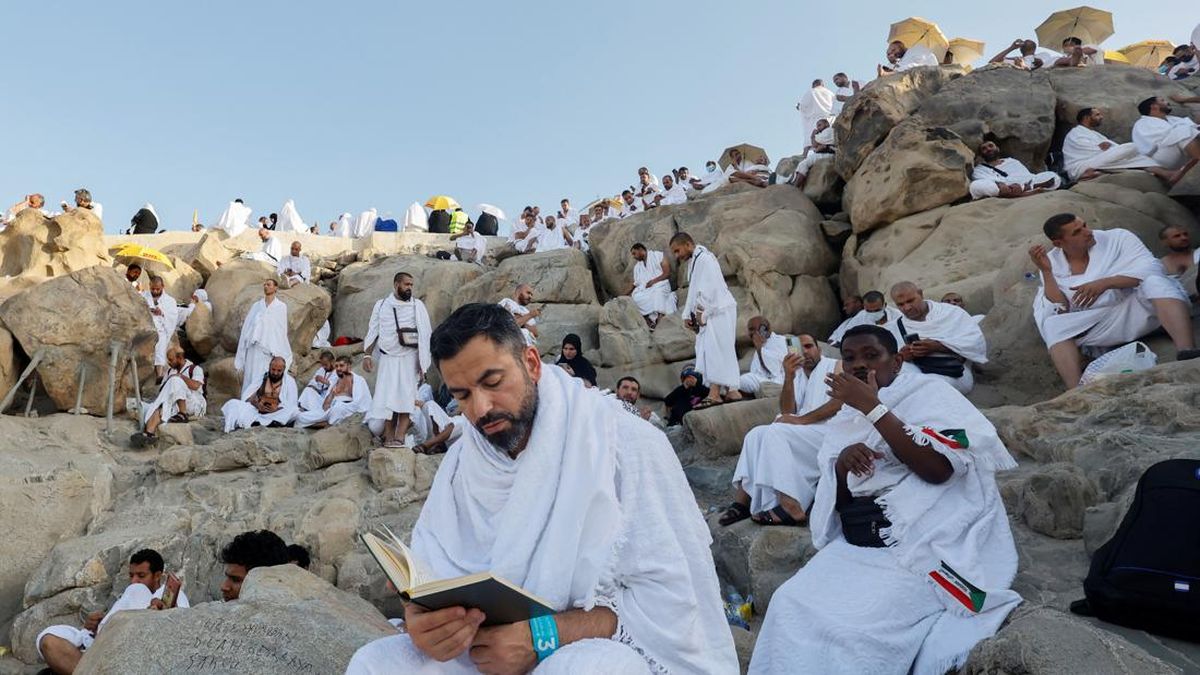
On this day, pilgrims travel from Mina to the vast plains of Arafat, a desert area about 20 kilometers east of Mecca. From Dhuhr (noon) until sunset, they engage in Wuquf al-Arafat – standing before Allah in sincere prayer, supplication (Dua), remembrance (Dhikr), and repentance. It is a day of profound reflection, seeking forgiveness for past sins, and making heartfelt Duas for oneself, one's family, the Muslim Ummah, and all of humanity.
The scene at Arafat is awe-inspiring: millions of pilgrims, clad in simple Ihram, united in their devotion, regardless of their diverse backgrounds, languages, or ethnicities. This gathering is often likened to a rehearsal for the Day of Judgment, where all stand equal before God.
The Quran references this day, instructing pilgrims to praise Allah near the sacred place upon returning from Arafat (Quran 2:198). One of the most significant historical events associated with the Day of Arafat is that it was during his farewell Hajj, on this very day and in this location, that Prophet Muhammad (peace be upon him) delivered his final sermon.
Furthermore, it was on the Day of Arafat that the verse signifying the completion and perfection of the religion of Islam was revealed: "...Today I have perfected your faith for you, completed My favour upon you, and chosen Islam as your way…" (Quran 5:3). This adds to its sanctity and historical weight.
The spiritual benefits of the Day of Arafat are immense. Prophet Muhammad (peace be upon him) said, "There is no day on which Allah frees more people from the Fire than the Day of Arafah" (Sahih Muslim 1348). This underscores the boundless mercy and forgiveness Allah bestows upon those who sincerely turn to Him on this day. The best supplication is said to be the supplication made on the Day of Arafat. Pilgrims spend hours in earnest devotion, often in tears, pouring out their hearts to their Creator, seeking His pardon and blessings.
For those not performing Hajj, fasting on the Day of Arafat is highly recommended and is a significant act of worship. The Prophet (peace be upon him) stated that fasting on this day expiates the sins of the past year and the coming year (Sahih Muslim 1162). This allows Muslims worldwide to partake in the blessings of this sacred day, even if they are not physically present at Arafat.
In the context of Hajj Badal, the proxy performing the Proxy Hajj must ensure they are present at Arafat within the prescribed time (from noon to sunset on the 9th of Dhul-Hijjah). The validity of the Badal Hajj entirely depends on this. The proxy dedicates their time at Arafat to prayer and supplication, specifically intending these acts for the person on whose behalf they are performing the Hajje Badal.
While the beneficiary is not physically present, their name is carried in the heart and Duas of the proxy, linking them spiritually to this powerful congregation and the immense blessings of the day. The hope is that the beneficiary also receives the promised forgiveness and spiritual elevation associated with Arafat through the correctly performed Proxy Hajj. The significance of Arafat thus extends beyond the individual pilgrim, encompassing those represented through Hajj Badal, and even connecting the wider Muslim Ummah through acts like fasting and increased worship, regardless of their participation in Hajj or Umrah (or Badal Umrah / Proxy Umrah).
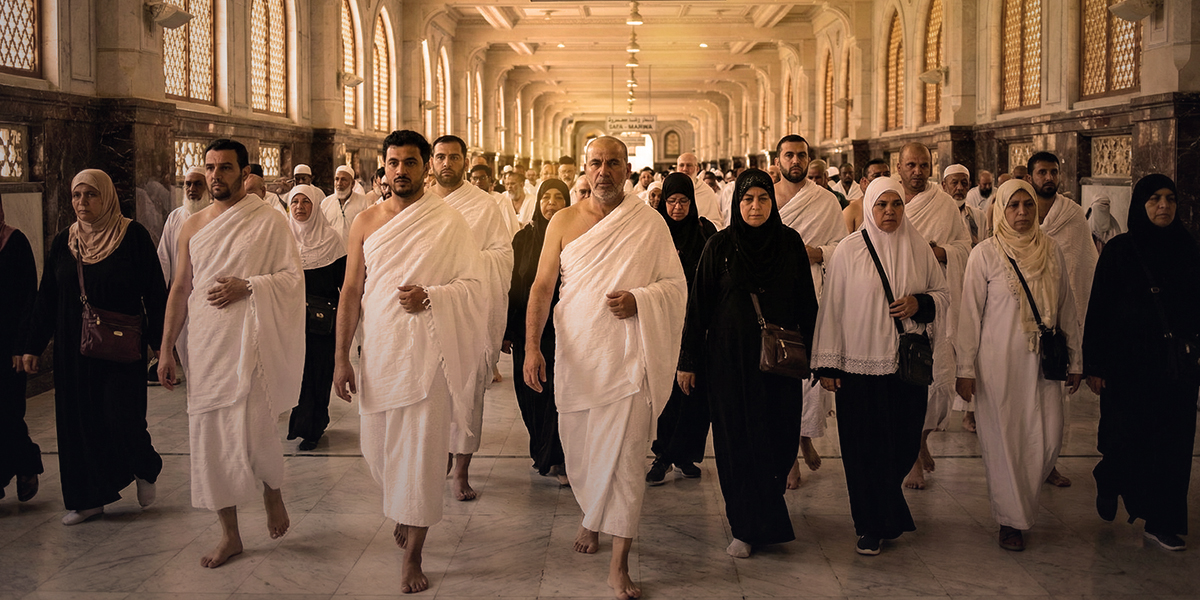
Among the most iconic and spiritually charged rituals of both Hajj and Umrah are Tawaf (circumambulation of the Kaaba) and Sa'i (walking between the hills of Safa and Marwa). These acts are not mere physical movements but are deeply imbued with historical significance, Quranic backing, and profound symbolism, representing core aspects of a Muslim's devotion and reliance on Allah. Understanding these rites is crucial for every pilgrim, including those performing Hajj Badal (also known as Badal Hajj, Hajje Badal, or Proxy Hajj) or Badal Umrah (Proxy Umrah), as these rituals must be performed with precise intention and adherence to tradition.
Tawaf is the act of circling the Kaaba seven times in an anti-clockwise direction. The Kaaba, a cube-shaped structure draped in black cloth, is the most sacred site in Islam, considered the House of Allah (Baitullah) and the qibla (direction of prayer) for Muslims worldwide. Pilgrims begin each circuit of the Tawaf from the Hajar al-Aswad (the Black Stone), a sacred stone set in one corner of the Kaaba. If possible, they kiss, touch, or gesture towards it (Istilam) at the start of each circuit while reciting "Bismillahi Allahu Akbar" (In the name of Allah, Allah is the Greatest).
The Quran mentions the Kaaba as a place of return and security for people, and the standing place of Abraham (Maqam Ibrahim) as a place of prayer (Surat Al-Baqarah, 2:125). The act of Tawaf mirrors the devotion of Prophet Ibrahim and his son Ismail, who rebuilt the Kaaba under divine guidance. Spiritually, Tawaf signifies the unity of Muslims in worship, all moving harmoniously around a central point, representing the idea that a believer's life should revolve around God. It is an act of continuous remembrance (Dhikr) and supplication (Dua). There are different types of Tawaf performed during Hajj and Umrah, including Tawaf al-Qudum (arrival Tawaf), Tawaf al-Ifadah (an essential pillar of Hajj), and Tawaf al-Wada (farewell Tawaf). For Umrah, the main Tawaf is Tawaf al-Umrah.
Following Tawaf and offering two Rak'ah of prayer (preferably near Maqam Ibrahim), pilgrims proceed to perform Sa'i. This ritual involves walking and sometimes hastening seven times between two small hills, Safa and Marwa, located near the Kaaba, now enclosed within the Masjid al-Haram complex. The Sa'i begins at Safa and ends at Marwa, with each trip from one hill to the other counting as one circuit.
The historical basis for Sa'i is the poignant story of Hajar, the wife of Prophet Ibrahim. Left in the barren valley of Mecca with her infant son Ismail, Hajar desperately ran seven times between Safa and Marwa in search of water when their supplies ran out. Her unwavering faith and reliance on Allah during this moment of extreme distress were rewarded with the miraculous appearance of the Zamzam Well, which gushed forth where Ismail's foot struck the ground. The Quran itself mentions Safa and Marwa as among the symbols of Allah (Surat Al-Baqarah, 2:158), sanctioning the act of walking between them during Hajj or Umrah.
Sa'i, therefore, symbolizes perseverance, hope, and absolute trust in Allah's providence. It reminds pilgrims of Hajar's fortitude and teaches that effort must be combined with faith.
When Hajj Badal or Badal Umrah is performed, the proxy pilgrim meticulously carries out both Tawaf and Sa'i with the intention of fulfilling these rites on behalf of the person they represent. The spiritual benefits and the symbolic lessons of devotion, unity (in Tawaf), and perseverance (in Sa'i) are central to the Proxy Hajj or Proxy Umrah experience. The validity of the Hajje Badal hinges on the correct performance of these and other core rituals. The proxy, acting on behalf of another, embodies the spirit of these acts, ensuring that the sacred connection to these historical and divinely ordained practices is maintained for the beneficiary. Thus, Tawaf and Sa'i remain pivotal expressions of faith, whether undertaken personally or through a representative in Hajj or Umrah.

Embarking on the Hajj pilgrimage is a monumental undertaking that requires meticulous preparation across physical, spiritual, and financial dimensions. For those who are fortunate enough to perform Hajj themselves, this preparation begins months, sometimes years, in advance. For individuals arranging Hajj Badal (also known as Badal Hajj, Hajje Badal, or Proxy Hajj) for someone unable, the preparation involves different but equally important considerations, primarily centered on selecting a trustworthy representative and understanding the process thoroughly.
The foremost preparation is to purify one's intention, ensuring that the Hajj is being undertaken solely for the pleasure of Allah and to fulfill a religious obligation. This involves seeking forgiveness for past sins (Tawbah) and resolving to lead a more righteous life.
It is essential to learn the rites and rituals of Hajj and Umrah correctly, understanding their significance and the proper way to perform them. Attending Hajj seminars, reading authentic books, and consulting knowledgeable scholars are crucial. For those arranging Proxy Hajj, ensuring the chosen proxy is knowledgeable is paramount.
This involves settling outstanding debts, seeking forgiveness from those one may have wronged, and mending broken relationships. The aim is to approach Hajj with a clear conscience and a heart focused on worship.
Hajj can be physically demanding and may involve unexpected challenges. Cultivating patience, forbearance, and humility is key to a successful and accepted pilgrimage.
Hajj involves a significant amount of walking and enduring varying weather conditions and large crowds. Improving one's physical fitness through regular exercise is advisable. A medical check-up before travel is also recommended, especially for those with pre-existing conditions.
Certain vaccinations are mandatory for Hajj pilgrims as per Saudi Arabian regulations to prevent the spread of infectious diseases.
It is a fundamental condition that the funds used for Hajj must be from lawful (Halal) sources.
Hajj can be expensive, involving costs for travel, accommodation, food, and the animal sacrifice (if applicable). Pilgrims need to budget carefully and save accordingly.
Before embarking on Hajj, one should ensure that their financial obligations towards their family and dependents are met, and any debts are settled or arrangements made for their payment.
While the beneficiary of Hajj Badal or Badal Umrah does not undertake the physical or direct financial preparation for the journey itself, those arranging it have critical responsibilities:
Confirm that the person for whom Proxy Hajj is intended meets the criteria (e.g., genuinely unable due to chronic illness, old age, or deceased).
This is the most crucial step. The person chosen to perform Hajje Badal or Proxy Umrah must be:
There should be a clear understanding and agreement with the proxy regarding the performance of all essential rites, the specific name of the person for whom it is being done, and any agreed-upon expenses (Hadiyah) for the proxy's travel and sustenance. It's important to ensure the Hadiyah is not seen as payment for the act of worship itself but as covering legitimate costs.
Ensure the proxy has the correct full name of the individual for whom the Badal Hajj or Proxy Umrah is being performed, as the Niyyah must be specific.
Many organizations or individuals offering Hajj Badal services provide some form of confirmation or certificate upon completion. While not a religious requirement, it can offer peace of mind.
Thorough preparation, whether for a personal pilgrimage or arranging a Proxy Hajj or Badal Umrah, is key to ensuring that these profound acts of worship – Hajj and Umrah – are performed correctly, accepted by Allah, and yield their intended spiritual benefits.

Hajj, the annual pilgrimage to Mecca, is far more than a set of physical rituals; it is a profound spiritual odyssey designed to bring a Muslim closer to Allah, purify the soul, and foster a sense of universal brotherhood and sisterhood. The spiritual benefits and transformative potential of Hajj are immense, touching not only those who physically undertake the journey but also those who, due to valid reasons, have it performed on their behalf through Hajj Badal (also known as Badal Hajj, Hajje Badal, or Proxy Hajj).
One of the primary spiritual outcomes of Hajj is the expiation of sins. Prophet Muhammad (peace be upon him) stated that a Hajj Mabroor (an accepted Hajj, performed correctly with sincere intention and without sin) has no reward but Paradise, and that whoever performs Hajj for Allah's pleasure and does not commit any obscenity or transgression will return (free from sin) as on the day his mother bore him. This promise of forgiveness is a powerful motivator, offering a chance for a spiritual rebirth and a clean slate. For an individual benefiting from Hajj Badal, if the proxy performs the Hajj correctly with sincere intention for them, this immense blessing of forgiveness is also hoped for the beneficiary.
The journey of Hajj is also a deep lesson in submission (Islam) to the will of Allah. By following rituals that commemorate the unwavering obedience of Prophet Ibrahim and his family, pilgrims are reminded of the importance of complete trust and surrender to God's commands. Donning the simple Ihram garments strips away distinctions of wealth, status, and nationality, fostering a profound sense of equality and humility before God. This experience can break down arrogance and cultivate a spirit of modesty that pilgrims carry back into their daily lives. The shared experience of millions performing the same acts, facing the same direction (Qibla), and calling upon the One God reinforces the unity (Tawhid) of Allah and the unity of the Ummah.
The Day of Arafat is the spiritual pinnacle of Hajj. Spending this day in earnest prayer, supplication (Dua), and remembrance of Allah (Dhikr) on the plains of Arafat is an intensely moving experience. It is a time for deep introspection, repentance, and seeking Allah's mercy and guidance. The atmosphere is charged with devotion, and many pilgrims report feeling an unparalleled closeness to their Creator. Even for those for whom Hajj Badal is performed, the knowledge that their name is being mentioned in Duas on such a sanctified day, in such a blessed gathering, can bring immense spiritual comfort and hope.
The physical exertions involved in Hajj – the Tawaf, the Sa'i, the travel between holy sites, and enduring crowds and varying weather conditions – teach patience, forbearance, and self-discipline. These are qualities that are highly valued in Islam and contribute to a Muslim's spiritual growth. The pilgrimage is a microcosm of the journey of life, with its trials and its moments of spiritual elevation.
Furthermore, Hajj can lead to a lasting transformation in a pilgrim's character and outlook. Many return with a renewed commitment to their faith, a greater sense of responsibility towards their families and communities, and a deeper empathy for fellow human beings. The global gathering allows for interactions with Muslims from diverse cultures, broadening perspectives and fostering mutual understanding.
For those who arrange Proxy Hajj or Badal Umrah (also known as Proxy Umrah) for a loved one who is ill, deceased, or otherwise unable, the act itself is a profound expression of love, duty, and piety. There is spiritual merit in facilitating such an important act of worship. The family finds solace in knowing that their loved one's obligation is being fulfilled, and they too share in the blessings associated with this noble endeavor. The niyyah (intention) behind arranging Hajje Badal is crucial; it should be purely for the sake of Allah and for the benefit of the person on whose behalf it is performed.
In essence, the spiritual journey of Hajj and Umrah is about stripping away the superficialities of worldly life to connect with the divine, to seek forgiveness, and to emerge as a more devoted, compassionate, and spiritually refined individual. These profound benefits extend through the practice of Hajj Badal and Badal Umrah, reflecting Allah's boundless mercy and the inclusive spirit of Islam.
Hajj, the sacred pilgrimage to Mecca, is a meticulously structured act of worship, comprising several essential pillars (Arkan) and obligatory acts (Wajibat) that must be performed in a specific sequence for the Hajj to be valid. These rituals, rich in historical and spiritual symbolism, are performed over several days in and around Mecca. Understanding these steps is crucial for every pilgrim, including those undertaking Hajj Badal (also known as Badal Hajj, Hajje Badal, or Proxy Hajj) on behalf of another, as the proxy must replicate these actions with due diligence and correct intention.
The Hajj journey begins with assuming Ihram. This involves making a formal intention (Niyyah) to perform Hajj and donning simple white garments – two unstitched cloths for men and modest, covering attire for women. This state signifies purity, humility, and the pilgrim's detachment from worldly affairs. Once in Ihram, certain actions become prohibited, such as cutting hair or nails, using perfume, engaging in disputes, or sexual activity. The Talbiyah, "Labbaik Allahumma Labbaik..." (O my Lord, here I am at Your service...), is recited frequently from this point. This first step is equally critical for Proxy Hajj, where the Niyyah is made on behalf of the specific individual.
Upon arriving in Mecca, pilgrims perform Tawaf al-Qudum, which involves circling the Kaaba seven times in an anti-clockwise direction, starting from the Black Stone (Hajar al-Aswad). Men are encouraged to walk briskly (Raml) during the first three circuits. After Tawaf, pilgrims offer two Rak'ah of prayer, preferably near Maqam Ibrahim (Station of Abraham), and drink water from the Zamzam well.
Following Tawaf, pilgrims perform Sa'i, walking and sometimes hastening between the small hills of Safa and Marwa seven times. This ritual commemorates Hajar's desperate search for water for her son Ismail. It begins at Safa and ends at Marwa.
On the 8th of Dhul-Hijjah, pilgrims proceed to Mina, a tent city a few kilometers east of Mecca. They spend the day and night there, engaging in prayers (Dhuhr, Asr, Maghrib, Isha, and Fajr of the next day), often shortened but not combined.
This is the most crucial day of Hajj. After sunrise, pilgrims travel from Mina to the plains of Arafat. Wuquf, standing in sincere prayer, supplication, and seeking forgiveness from noon until sunset, is the pinnacle of Hajj. Missing Wuquf at Arafat invalidates the Hajj.
After sunset at Arafat, pilgrims proceed to Muzdalifah, an open plain between Arafat and Mina. Here, they combine Maghrib and Isha prayers and spend the night under the open sky. Small pebbles (usually 49 or 70) are collected here for the Ramy ritual.
On the 10th of Dhul-Hijjah, pilgrims return to Mina from Muzdalifah. The first Ramy is performed by throwing seven pebbles at the largest pillar, Jamarat al-Aqabah, symbolizing Prophet Ibrahim's rejection of Satan. Following this, an animal sacrifice (Qurbani or Nahr) is performed, if obligatory for their type of Hajj (like Tamattu or Qiran).
After the sacrifice, men shave their heads (Halq) or trim their hair (Taqsir), while women trim a small portion of their hair. This marks a partial exit from the state of Ihram, allowing most restrictions to be lifted, except for marital relations.
Pilgrims then go to Mecca to perform Tawaf al-Ifadah, another essential circumambulation of the Kaaba, followed by Sa'i for Hajj (if not already performed with Tawaf al-Qudum in Hajj Ifrad or Qiran). After this Tawaf, all Ihram restrictions are lifted. Pilgrims then return to Mina.
Pilgrims spend these days in Mina, performing Ramy by stoning all three Jamarat (small, medium, and large) each day after noon, with seven pebbles for each.
Before leaving Mecca, pilgrims perform a final Tawaf al-Wada. This is the concluding rite of Hajj.
These comprehensive rituals are also undertaken in Umrah, albeit in a shorter form (Ihram, Tawaf, Sa'i, and Halq/Taqsir). For both Hajj Badal and Badal Umrah (or Proxy Umrah), the appointed individual meticulously follows these sacred steps, ensuring the integrity and spiritual validity of the pilgrimage performed on behalf of another.
.jpeg)
The Hajj pilgrimage, a spiritual cornerstone for Muslims globally, is not an invention of Islam in the 7th century CE but a continuation and purification of ancient monotheistic rituals tracing back to Prophet Ibrahim (Abraham) thousands of years prior. Understanding its historical significance provides a deeper appreciation for the rites performed today and the enduring relevance of practices like Hajj Badal (also referred to as Badal Hajj, Hajje Badal, or Proxy Hajj) in contemporary Islamic life.
According to Islamic tradition, Allah commanded Prophet Ibrahim to rebuild the Kaaba, the sacred house of worship in Mecca, which is believed to have been originally built by Prophet Adam. Alongside his son, Prophet Ismail, Ibrahim re-established the Kaaba as a center for monotheistic worship. Many of the Hajj rituals directly commemorate the trials and devotion of Ibrahim, his wife Hajar, and Ismail.
The Sa'i, the walking and running between the hills of Safa and Marwa, reenacts Hajar's desperate search for water for her infant son Ismail. The subsequent emergence of the Well of Zamzam is considered a divine miracle. The Ramy al-Jamarat, the stoning of the pillars, symbolizes Ibrahim's rejection of Satan's temptations when he was commanded to sacrifice his son. Even the Eid al-Adha, the Festival of Sacrifice, which coincides with the Hajj, commemorates Ibrahim's willingness to sacrifice Ismail in obedience to God's command, and God's merciful provision of a ram in his stead.
Over time, the pure monotheistic practices instituted by Prophet Ibrahim were corrupted by polytheism and idol worship in pre-Islamic Arabia. When Prophet Muhammad (peace be upon him) established Islam, he reinstated the Kaaba to its original purpose as a house dedicated solely to the worship of the One God, Allah. He purified it of idols and re-established the Hajj rites according to divine guidance, restoring their original significance. The Hajj performed by Muslims today follows the example set by Prophet Muhammad during his farewell pilgrimage.
The institution of Hajj as a mandatory pillar emphasizes the unity of the Muslim Ummah (community), as believers from all corners of the world, irrespective of race, nationality, or social status, gather in Mecca, dressed in simple Ihram garments, performing the same rituals. This historical continuity underscores the timeless nature of submitting to God.
In this historical context, the concept of performing Hajj on behalf of others, or Proxy Hajj, also finds its rationale. While the specific practice of Hajj Badal as a formalized service may have developed over time through Islamic jurisprudence, the underlying principles of compassion, mutual support, and ensuring the fulfillment of religious duties are deeply embedded in Islamic teachings.
The physical demands and financial requirements of Hajj have always meant that some individuals, despite their sincere desire, would be unable to perform it. Islamic scholars, based on Hadith (sayings and traditions of Prophet Muhammad), established the permissibility of Hajje Badal for those with legitimate incapacities, such as chronic illness, old age, or for one who has passed away having had the means but not the opportunity. This ensures that the historical connection to these sacred rites is not severed by unavoidable personal circumstances.
Today, the role of Proxy Hajj remains significant. In an era of global connectivity, it has become more organized, yet its essence remains the same: a devout Muslim undertaking the rigorous journey and rituals of Hajj or the lesser pilgrimage, Umrah (which can also be performed by proxy as Badal Umrah or Proxy Umrah), with the sincere intention of fulfilling the obligation for another.
The person performing Badal Hajj carries a profound responsibility to execute each rite correctly, ensuring that the historical and spiritual integrity of the pilgrimage is maintained for the beneficiary. This practice reflects the communal spirit of Islam, where believers assist one another in piety and righteousness. Thus, Hajj Badal is not merely a transaction; it is a continuation of a sacred legacy, adapting to human needs while preserving the timeless sanctity of the Hajj.
.jpeg)
Hajj, the annual Islamic pilgrimage to Mecca in Saudi Arabia, stands as one of the Five Pillars of Islam, a mandatory religious duty for all adult Muslims who are physically and financially capable of undertaking the journey. It is a profound spiritual experience, a demonstration of solidarity among Muslims, and a submission to God. The rituals of Hajj commemorate the actions of Prophet Ibrahim (Abraham), his wife Hajar, and their son Prophet Ismail (Ishmael), echoing their unwavering faith and obedience to Allah. For millions of Muslims, embarking on this journey is a lifelong aspiration, representing a spiritual peak and a chance for the expiation of past sins.
The significance of Hajj is deeply rooted in Islamic theology. It is more than just a physical journey; it is an act of worship that requires sincere intention, physical exertion, and spiritual devotion. Pilgrims shed symbols of worldly status by donning simple white garments called Ihram, signifying equality and humility before God. This state of consecration also involves adhering to certain prohibitions, such as not cutting hair or nails, avoiding arguments, and abstaining from marital relations. The core rites, performed over several days during the Islamic month of Dhu al-Hijjah, include circumambulating the Kaaba (Tawaf), walking between the hills of Safa and Marwa (Sa'i), standing in prayer on the plains of Arafat (Wuquf), and stoning pillars representing Satan (Ramy al-Jamarat).
However, not every Muslim who desires to perform Hajj is able to do so. Valid reasons such as chronic illness, old age, physical disability, or even ongoing safety concerns in travel can prevent an individual from fulfilling this sacred duty. In such circumstances, Islamic jurisprudence provides compassionate alternatives. One such provision is Hajj Badal, also commonly known as Badal Hajj, Hajje Badal, or Proxy Hajj. This practice allows a capable Muslim to perform Hajj on behalf of someone who is unable to undertake the journey themselves. The person performing the Proxy Hajj acts as a representative, carrying out all the prescribed rituals with the explicit intention of fulfilling the obligation for the absent individual. This ensures that the spiritual rewards and the fulfillment of the duty can still be attained by those who are legitimately hindered.
The concept of performing acts of worship by proxy also extends to the lesser pilgrimage, Umrah, through what is known as Badal Umrah or Proxy Umrah. While Umrah can be performed at any time of the year and is not an obligatory pillar in the same way as Hajj for some schools of thought, performing Badal Umrah for someone unable is also a recognized and virtuous act.
Understanding the different types of Hajj is also crucial. Pilgrims can choose between Hajj Tamattu, Hajj Qiran, and Hajj Ifrad, each with specific sequences of performing Umrah and Hajj rituals.
The choice often depends on individual circumstances and preferences. Regardless of the type, the essence of seeking closeness to Allah and following the prophetic tradition remains central.
The provision of Hajj Badal underscores the mercy and flexibility within Islamic teachings. It acknowledges human limitations while providing a pathway to fulfill one of Islam's most important pillars. For those who are bedridden, too frail to travel, or have passed away with the unfulfilled intention and means to perform Hajj, Proxy Hajj offers solace and spiritual completion. The person appointed for Hajje Badal must be reliable and knowledgeable about the Hajj rites to ensure they are performed correctly. This service is not merely a transaction but a sacred trust. Similarly, individuals can arrange Badal Umrah for loved ones. The collective understanding of Hajj, Umrah, and their proxy counterparts-Hajj Badal, Badal Hajj, Hajje Badal, Proxy Hajj, Badal Umrah, and Proxy Umrah-enriches the Muslim community's ability to support one another in fulfilling their spiritual obligations. This guide serves as an introduction to these profound acts of worship, aiming to clarify their importance and the options available to the global Muslim Ummah.

The practices of Hajj Badal (also known as Badal Hajj, Proxy Hajj, Hajj e Badal, or Hajj al Badal) and Umrah Badal (also known as Umrah Al Badal or Proxy Umrah) have evolved significantly, largely thanks to modern communication and the organized efforts of various Hajj Services. What was once a localized or personally arranged endeavor has now achieved a global reach, connecting Muslims across continents in the fulfillment of this important Islamic Pilgrimage by proxy.
Historically, arranging Hajj by proxy might have involved finding a relative or acquaintance within one's own community who was undertaking the Hajj. Today, individuals living in Western countries, Southeast Asia, Africa, or anywhere else in the world can readily arrange for performing Hajj on behalf of someone (e.g., a deceased parent or a loved one who is Hajj al badal of an ill or disabled person) through specialized Hajj Services that often engage proxies directly in Saudi Arabia, particularly in Mecca or Medina.
Many organizations have emerged globally that specialize in facilitating Proxy Hajj and Proxy Umrah. Their role typically includes:
A significant advantage of modern Hajj Badal services is their ability to leverage local expertise. Proxies residing in Mecca or Medina:
This global reach has several positive impacts:
With global reach also come challenges, such as the need for increased due diligence to verify the legitimacy and trustworthiness of online Hajj Services. The risk of scams or substandard service necessitates careful research by those commissioning Hajj e Badal or Umrah Badal.
Nevertheless, the globalization of Proxy Hajj and Proxy Umrah services, facilitated by technology and organized efforts, represents a positive development, making this compassionate Islamic Pilgrimage provision more accessible and widely utilized by Muslims around the world.
The Islamic Pilgrimage to Mecca, encompassing both the obligatory Hajj and the virtuous Umrah, is a tradition that dates back thousands of years to the time of Prophet Ibrahim (Abraham). It stands as a testament to unwavering faith, submission to Allah, and the unity of the Muslim Ummah. While the ideal is personal attendance, the compassionate provisions of Hajj Badal (also known as Badal Hajj, Proxy Hajj, Hajj e Badal, or Hajj al Badal) and Umrah Badal (also known as Umrah Al Badal or Proxy Umrah) ensure that this sacred legacy endures and remains accessible, keeping the tradition alive for all Muslims, regardless of their physical capacity.
The rituals of Hajj and Umrah connect Muslims directly to the actions of Prophet Ibrahim, Hajar, and Ismail, and were perfected and re-established by Prophet Muhammad (peace be upon him). Each Tawaf, each Sa'i, each standing at Arafat echoes centuries of devotion. The desire to participate in this historical continuity is deeply ingrained in the Muslim psyche.
However, throughout history and in contemporary times, many devout Muslims face legitimate barriers preventing them from performing Hajj. Performing Hajj on behalf of someone might be the only option, or rather, having someone perform it for them. These barriers can include:
Without the provision of proxy worship, the spiritual fulfillment and obligation of this pillar would be unattainable for a significant portion of the Ummah.
In the modern era, with global travel and communication, the ability to arrange Hajj Badal or Umrah Badal has become more streamlined. Reputable Hajj Services play a crucial role in connecting those in need with those who can perform this duty, further ensuring the tradition's vitality and accessibility across the globe.
The enduring legacy of Hajj and Umrah is not just in the millions who physically attend each year, but also in the millions more whose aspirations and obligations are fulfilled through the sincere efforts of their proxies. Hajj Badal and Umrah Badal are thus not mere alternatives; they are integral parts of how the Islamic Pilgrimage tradition remains vibrant, inclusive, and alive in the hearts and actions of Muslims everywhere, a testament to a faith that caters to all circumstances.
.jpeg)
Hajj Badal, the act of performing Hajj on behalf of someone else, often raises many questions. This FAQ aims to address some of the most common inquiries regarding Badal Hajj, also known as Hajje Badal, Proxy Hajj, Hajj e Badal, or Hajj al Badal, to provide clarity based on established Hajj Badal Guidelines.
The primary purpose is to fulfill the obligation of Hajj for a Muslim who is genuinely unable to perform it themselves due to permanent reasons such as chronic illness (making them Hajj al badal of an ill or disabled), debilitating old age, or for someone who has passed away having had the means but not the opportunity.
Eligibility generally includes:
The deceased who were obligated to perform Hajj.
The chronically ill or permanently disabled with no hope of recovery.
The very elderly and frail who cannot endure the journey.
Financial incapacity alone, if one is physically able, is not a reason for Hajj Badal as Hajj is not obligatory on them.
A proxy must be a sane, adult Muslim, knowledgeable about Hajj rituals, and trustworthy. It is highly preferable, and considered a condition by many scholars, that the proxy has already performed their own obligatory Hajj.
The primary intention and reward for the Hajj itself are for the beneficiary on whose behalf it is performed. The proxy receives a reward for their effort, piety, facilitating a good deed, and their own acts of worship during the journey (e.g., prayers, dhikr).
Yes, if the living person is permanently unable to perform Hajj due to reasons like chronic illness or extreme old age (e.g., Hajj al badal of an ill or disabled). It cannot be done for someone who is healthy and capable but simply wishes to delegate.
Yes, it is permissible to provide a Hadiyah (gift/stipend) to the proxy to cover their travel, accommodation, food, sacrifice, and a modest compensation for their time and effort. This should not be seen as a "wage" for the act of worship itself. Reputable Hajj Services offering Hajj by proxy will be transparent about costs.
Choose a reputable individual or organization known for their piety and adherence to Islamic teachings. Ask about their process, the qualifications of their proxies, and what confirmation of performance they provide. Seeking recommendations is advisable.
One obligatory Hajj Badal fulfills the requirement for a deceased person. However, performing additional voluntary (Nafl) Hajj e Badal for them is permissible and considered an act of virtue, with the hope of further reward for the deceased.
It is still highly recommended and an act of filial piety for children or relatives to arrange Badal Hajj for a deceased person upon whom Hajj was obligatory, even if no will was made.
Similar principles apply. Umrah Badal (also known as Umrah Al Badal or Proxy Umrah) can be performed for someone who is unable to perform Umrah themselves due to permanent reasons. The proxy performs the Umrah rituals with the intention for the beneficiary.
No, this is not a requirement. A male can perform Hajj Badal for a female, and vice-versa.
Hajj Tamattu (performing Umrah first, then Hajj) is commonly performed for Hajj with proxy because it combines both pilgrimages, but the specific type should be clarified with the service provider.
These FAQs provide general guidance. For specific personal situations or detailed Fiqh rulings related to this important Islamic Pilgrimage by proxy, it is always best to consult with a knowledgeable Islamic scholar.

Ihram is the sacred state a pilgrim must enter to perform the rituals of Hajj or Umrah [1][2][3]. It is far more than just the specific attire worn; it is a state of mind, purity, and intention that marks the formal commencement of these profound acts of worship [1][3]. Understanding Ihram, its significance, rules, and how it applies even in the context of Hajj Badal (also known as Badal Hajj, Hajje Badal, or Proxy Hajj) and Badal Umrah (or Proxy Umrah) is fundamental for every Muslim engaging with these pilgrimages.
The word "Ihram" literally means to make something forbidden. Upon entering this state, certain actions and behaviors that are normally permissible become temporarily forbidden for the pilgrim, signifying their dedication to the sacred rites ahead [2][3]. This transformation begins at designated points known as Miqats, which are specific locations set by Prophet Muhammad (peace be upon him) for pilgrims approaching Mecca from different directions [4]. Before reaching the Miqat, or at the Miqat itself, pilgrims perform certain preparations. These include ritual bathing (Ghusl) or at least ablution (Wudu), trimming nails, and removing unwanted hair, all acts aimed at physical cleanliness before entering a state of spiritual purity.
The most visible aspect of Ihram is the attire. For men, this consists of two pieces of simple, unstitched white cloth: the Izar, wrapped around the waist to cover the lower body, and the Rida, draped over the upper body [5]. This attire is symbolic of equality and humility before Allah, stripping away all indicators of social status, wealth, or nationality. All men, rich or poor, leaders or followers, stand equal in their devotion. Women’s Ihram attire is their regular modest clothing that covers their entire body except for their face and hands, though many choose to wear simple, unadorned garments, often white or black, to maintain the spirit of simplicity [3].
Once the physical preparations are complete and the Ihram garments are worn, the pilgrim makes the formal intention (Niyyah) to enter the state of Ihram for either Hajj, Umrah, or both (depending on the type of Hajj they intend to perform). This Niyyah is the cornerstone of Ihram; without it, the subsequent rites are not valid. Immediately after the Niyyah, pilgrims begin reciting the Talbiyah: "Labbayka Allahumma labbayk, labbayka la sharika laka labbayk, innal-hamda wan-ni'mata laka wal-mulk, la sharika lak" (Here I am, O Allah, here I am. Here I am, You have no partner, here I am. Verily all praise and blessings are Yours, and all sovereignty, You have no partner) [1]. This chant is a declaration of response to Allah's call and is recited frequently throughout the pilgrimage until the stoning of the Jamarat al-Aqabah on the 10th of Dhul-Hijjah for Hajj, or until the Tawaf for Umrah.
During Ihram, several actions are prohibited. These include:
Violating these restrictions may require a form of expiation (Fidyah), depending on the nature of the violation.
In the context of Hajj Badal or Badal Umrah, the person performing the Proxy Hajj or Proxy Umrah must also enter the state of Ihram with the correct Niyyah, specifying that they are performing the pilgrimage on behalf of the named individual. They are bound by all the same rules and restrictions of Ihram [2]. The integrity of the Badal Hajj or Hajje Badal depends heavily on the proxy’s adherence to these regulations. The spiritual state signified by Ihram – one of dedication, humility, and focus on worship – must be embodied by the proxy just as it would be by someone performing their own Hajj or Umrah. This meticulous observance ensures that the sacred journey, whether personal or by proxy, is conducted with the sanctity it deserves.

Assalamu ‘Alaykum.
This blog article will include all instructions on how to pay in Euro.
The EURO amount for Hajj 2023 is 1610.
Our preferred way to receive payments: (details for each type of payment will be provided below)
We will entertain credit card options as last resort as it costs us about 4% transaction fees - so a decent amount of money ends up going to Stripe or PayPal. However, this can be a last resort and we will accept this. Please contact us for credit card payments and we will send an invoice.
or call at +1-647-948-9469 to arrange for credit card payments.

Assalamu ‘Alaykum.
This blog article will include all instructions on how to pay GBP funds from the UK / Ireland.
The GBP amount for Hajj 2023 is 1400.
Our preferred way to receive payments: (details for each type of payment will be provided below)
We will entertain credit card options as last resort as it costs us about 4% transaction fees - so a decent amount of money ends up going to Stripe or PayPal. However, this can be a last resort and we will accept this. Please contact us for credit card payments and we will send an invoice.

This blog article will include all instructions on how to pay CAD funds from Canada. If you wish to make payments in USD from your US bank account, please visit this link: https://www.hajjbadal.net/usd-payments-for-americans/
Amount to send/pay: $____ CAD
Our preferred way to receive payments: (details for each type of payment will be provided below)
We will entertain credit card options as a last resort as it costs us about 4% in transaction fees - so a decent amount of money ends up going to Stripe or PayPal. However, this can be a last resort and we will accept this. Please contact us for credit card payments and we will send an invoice.

Assalamu ‘Alaykum.
This blog article will include all instructions on how to pay USD funds from the US or those with US bank accounts.
Our preferred way to receive payments: (details for each type of payment will be provided below)
We will entertain credit card options as last resort as it costs us about 4% transaction fees - so a decent amount of money ends up going to Stripe or PayPal. However, this can be a last resort and we will accept this. Please contact us for credit card payments and we will send an invoice.


Alhamdulillah we are able to organize Hajj Badal this year in full capacity as pandemic related restrictions are lifted.
We have been working hard to create a new package for those who seek to have direct communication and extended updates from the students performing Hajj. We invite you to explore and contact us on WhatsApp: WhatsApp us at: +1 (647) 360-8486
Cost: $1710 USD including Qurbani.
A person will do only hajj. He will not work or volunteer. We will pay for him to purchase a local hajj package and also pay for his food, transportation, animal sacrifice, etc. You will also be able to connect with this person directly via Whatsapp.
Cost: Approximately 4000-5000 usd including Qurbani. We can confirm this after two weeks in (after 20th of Dhul Qa'dah).
We invite Muslims from all over the world including Canada, United States (USA), United Kingdom (UK), France, Germany, Switzerland, Belgium, the Middle East (UAE, Qatar, Bahrain, Kuwait), Pakistan, India, Bangladesh, Malaysia, Australia, New Zealand and all other countries to explore our services.
For more information on process and islamic ruling on Hajj Badal, Umrah Badal, please check the links below:
https://www.hajjbadal.net/hajj-badal/
https://www.hajjbadal.net/umrah-badal/

Hajj 2023 is expected to be begin in the evening of June 26 and end on July 1st (pending moon sighting and declaration by the Kingdom of Saudi Arabia).
Some local reports suggest that 2023 will have expanded capacity for Hajj - therefore we expect Pre-Covid numbers to return and an additional 25-30% increase in capacity as well.
The Saudi Ministry of Hajj has already made some key announcements regarding new Hajj Requirements:
Overall, we expect a new set of rules and regulations to be coming out before Ramadan 2023 (circa February 2023). Stay tuned for more updates!
To book for Hajj 2023, please visit: HajjBadal.net/Book-Now

Alhamdulillah we are excited to confirm that we will be able to perform Hajj Badal this year - In Sha Allah. We are still waiting on few final things to confirm pricing. We will keep registration open until we hit our limit. Registration will close on June 30th, 2022 In Sha Allah.
Pricing: We are anticipating pricing around the ranges below...
Hajj Badal *without* Qurbani / Udhiya: $1399 - $1499 USD
Qurbani / Udhiya: $200-$250 USD (additional charge)
If you are interested in Hajj Badal for this year, Please let us know by filling up this form: https://tinyurl.com/hajj2022confirmation
We will contact you for payment once we have final confirmation (In Sha Allah within a week).
We understand that the costs have gone up a bit compared to 2019 - we are open to flexible payment options for those who need extra time to pay In Sha Allah. We will do our best to make things easy.
Baarak Allahu Feekum. I look forward to hearing from you all.

Hajj 2022 is estimated to begin on the day of Arafah - Saturday July 9, 2022. Therefore Eid Al Adha is estimated to be on July 9, 2022.
Hajj will begin on the 8th day of Dhul-Hijjah (8th of July) with the pilgrims arriving in Mina and then proceeding to Arafah / Arafat on the 9th (next morning).
The Pilgrims will then proceed to Muzdalifa for the night and then move back to Mina camps for 3 nights. From there they will perform sacrifice, tawaf al ifaada, rami (daily throwing of the stone), etc.

Assalamu ‘Alaykum
We are working hard to finalize details of Hajj 2022. Alhamdulillah, we have received preliminary confirmations of some students who will be able to perform Hajj this year. However, few uncertainties still loom and due to which we are unable to provide complete confirmations.
We are working hard to solve some of the above uncertainties as well as other logistical issues. We hope to be able to serve all those interested in Hajj Badal this year - if Allah allows.
In Sha Allah we will post another update by June 10th, 2022.
We are open for Umrah Badal until 1st of July, 2022 In Sha Allah. Please register on our website: hajjabdal.net/book-now.
For non-credit card payments, please send us an email to: info@hajjbadal.net and we will advise you on the next steps.

Due to historic amount of travellers to Makkah, most roads to the Masjid al Haram are now closed. The crowd of this size has never been seen before in Makkah.
As a result, we are unable to fulfill anymore Umrahs this Ramadan. If you wish to book Umrah Badal, In Sha Allah we can perform after the days of Eid-Al-Fitr 2022.
Eid Al-Fitr 2022 is expected to be on Monday May 2nd, 2022. We wish you and your families blessed remaining days of Ramadan and a joyous Eid.

We are hoping to resume usual Hajj Badal services for 2022 In Sha Allah. Cost for Hajj Badal will be determined closer to Ramadan 2022 (April-May 2022).
We request that you submit registration for Hajj Badal for your loved ones. For Payment, kindly select "Cheque / Bank Transfer" option and you won't have to make payment right away.
We will reach out to you as soon as we have updates around/after Ramadan 2022 In Sha Allah.
Click here to register.

Assalamu 'Alaykum.
Due to overwhelming amount of requests and limited opportunity, we are closing registration for 2021 Hajj Badal. If you have submitted the form before June 30, 2021, we will contact you to give you a final update.
As you may know, the Saudi government has decided to allow only 15,000 locals and 45,000 foreigners living in Saudi Arabia the permission to perform Hajj this year. Due to the uncertainties around Hajj and covid, we were unable to commit to any final figure on Hajj Badal for 2021.
We are working with our Makkah representative to get some registrations confirmed. We hope to have some final news by July 10-15 In Sha Allah. If in case we can proceed with some Hajj Badal this year, we will give priorities to those who registered in 2020 and for 2021 we will determine eligibility based on date of registration form submission.
We are sincerely sorry for not being able to accommodate everyone as things are not in our hands. We are still making efforts and a lot of du'a for Allah to help facilitate as many Hajj as possible.
May Allah accept all your efforts and grant the ajr of Hajj to your loved ones.

The Saudi Government announced a plan to allow 60,000 hujjaj to perform Hajj this year. As of now, our sources are informing us that most of that will be domestic pilgrims. However, there are conflicting reports of the majority being foreign hujjaj. Unfortunately things are not very clear yet and we are hopeful that things will get clearer over the next few weeks.
As of now, we cannot guarantee that we will be able to perform Hajj Badal this year.
We do have a lot of new requests for Hajj Badal this year. However, we are not accepting any payment from anyone for now given we are not 100% sure whether we will be able to perform Hajj Badal this year or not. You may complete the registration form on our website without making payment (choose "Wire Transfer" as payment option so you won't have to pay right away).
We hope to have some concrete news on the first few days of Dhul Hijjah (between 11-15 July, 2021). We will keep you updated if we have any new information before that period.
May Allah accept all your efforts.
Wassalamu 'Alaykum.

We are currently waiting for further clarification from Saudi Gov't and our Makkah team on Hajj 2021. Please check back with us in a while.
You may register for Hajj badal 2021 but not make payment. Just choose an alternate form of payment (other than Credit card) and proceed to complete registration.

Alhamdulillah, we are blessed to have the opportunity to fulfill many Umrah Badals this Ramadan. We are on the first week of Ramadan and already completed over 10 Umrah Badals!
May Allah accept it from our brothers and sisters and reward those intended.
On the same note, we are now accepting requests to perform Umrah Badal in the last 10 days of Ramadan. Most of the Umrahs are performed at night (due to the heat), so it is possible that Umrah for your loved one may be performed on the laylatul Qadr!
To book, please visit: https://www.hajjbadal.net/book-now/. Once booked, please send us an email or give us a call and let us know of your preference.
Canada: +1(289)-499-8000, USA & International: +1-917-652-0656 Hours: 12:00 pm (noon) – 8 pm daily (EST) - [during Ramadan]Email: sales@hajjbyus.com

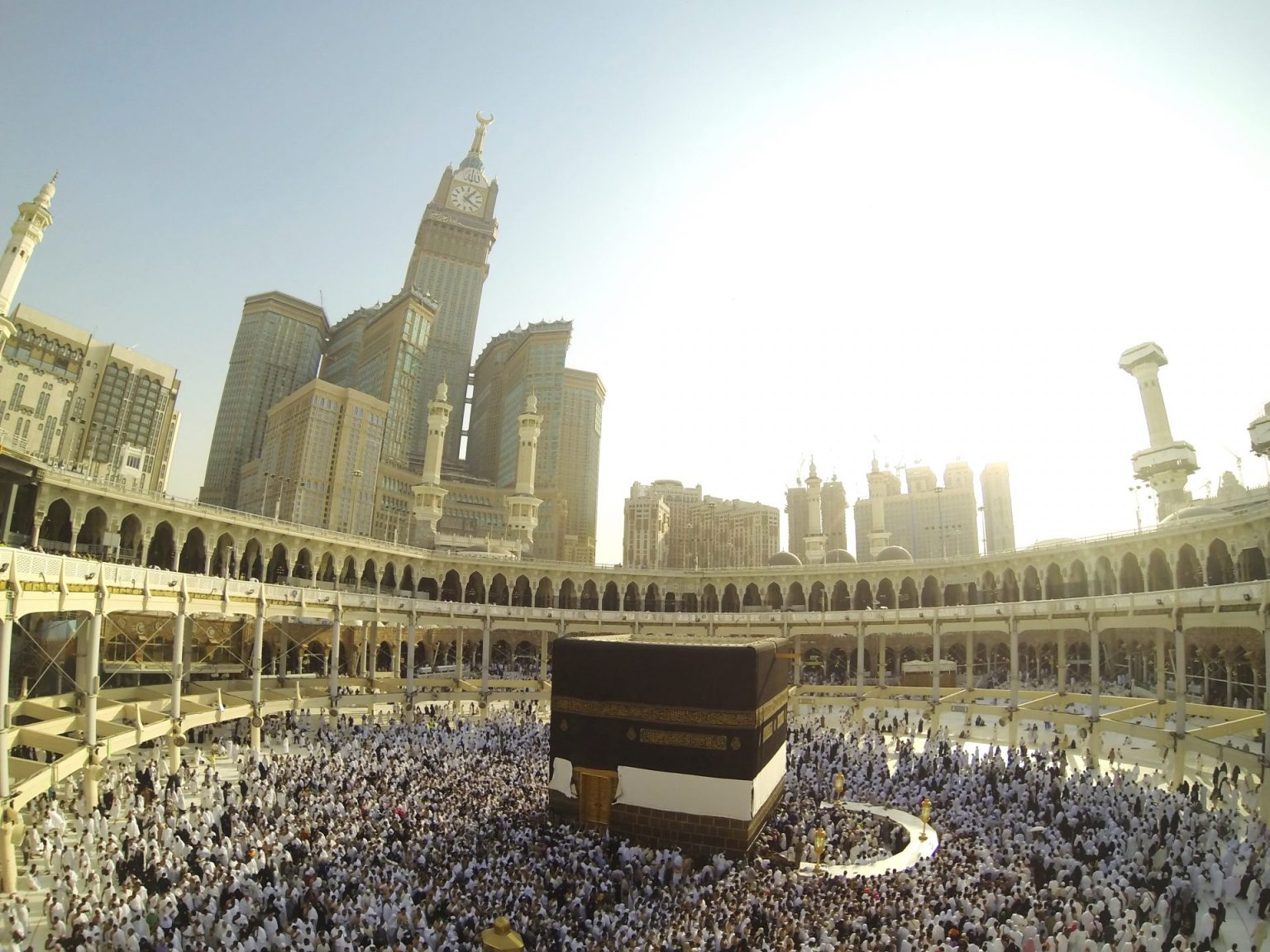
Whether it is someone who cannot do Hajj for health reasons, old age, or it is someone who has passed away, we would like to provide this service to facilitate the fifth pillar of Islam and this beautiful act of worship.
You can rest assured that the Hajj will be done and completed in the most authentic manner according to the Qur’an and Sunnah insha’Allah.

Umrah in itself is an important act of worship, and doing it on someone else behalf makes it even more special. At HajjByUs we take the responsibility of doing Umrah badal very seriously.
You could rest assure that the Umrah will be completed properly as it will be done by students of knowledge from Madinah University, Umm Al Qurra University in Makkah, or Daar Al Hadeeth in Makkah

From time to time, we get questions about whether this service is permissible according to the Shari'ah or not. For your convenience, we have gathered a number of resources for you to read. We welcome you to discuss the topic with your local imam as well. Our advisors consist of Imams who follow various schools of thoughts (Hanafi, Shafi'ee, etc.) and they have all approved this service.
Allah Almighty says, “Hajj to the House is a duty owed to Allah by all mankind – those who can find a way to do it. But if anyone rejects, Allah is Rich beyond need of any being.” –QURAN: SURAT ‘ĀLI `IMRĀN (3:97)
This verse stipulates ‘Hajj as a duty to Allah for all of mankind.
It was reported from Ibn ‘Abbas (may Allah be pleased with them both) that a woman from Juhaynah came to the Prophet (peace and blessings of Allah be upon him) and said:“My mother vowed to go for Hajj, but she did not go for Hajj before she died. Should I do Hajj on her behalf?” He said, “Yes, do Hajj on her behalf. Do you not think that if your mother was in debt you would pay it off for her? Pay off the debt that is owed to Allah, for Allah is more deserving that what is owed to Him should be paid off.” (Narrated by al-Bukhari, 1754).
It was narrated from Ibn ‘Abbas that the Messenger of Allah (peace and blessings of Allah be upon him) heard a man saying “Labbayka ‘an Shubrumah (At your service, O Allaah, on behalf of Shubrumah).” The Messenger of Allah (peace and blessings of Allah be upon him) said, “Who is Shubrumah?” He said, “A relative of mine.” The Prophet (peace and blessings of Allah be upon him) said, “Have you ever done Hajj before?” He said, “No.” he said, “Do this Hajj for yourself, then do Hajj on behalf of Shubrumah.” (Narrated by Abu Dawood, 1811; Ibn Majah, 2903 – this version was narrated by him. The hadeeth was classed as saheeh.

Want to give the gift of Umrah Badal to someone you love? Why not get it done in Ramadan?
Alhamdulillah, we are now accepting Umrah Badal requests for Ramadan.
To book, please visit: https://www.hajjbadal.net/book-now/. Once booked, please send us an email or give us a call and let us know of your preference.
Canada: +1(289)-499-8000, USA & International: +1-917-652-0656 Hours: 11:30 am – 10 pm daily (EST).Email: sales@hajjbyus.com


.webp)


